
Unifying the Clubhaus Golfing Experience Through a Connected Flow
My Role
Product Designer
I led the end-to-end design of Clubhaus's Tee Time Booking and Live Food Tracking features, improved golfer journeys and business outcomes.
Tools
Figma, Adobe Illustrator, Figjam, Gemini, Google
Team
2 Designers


Hello, Arthur
Book A Round
See All
Pinehurst No. 4

Pinehurst No. 2

Dormie
Club
Book Again?
See All
Pine Needles

Tobacco Road Golf
Vibe Match
See All
Jessica Collins

Bradley Ramirez

Jeff Turner
Overview
Clubhaus reimagined the golf experience by bringing tee time booking and in-round ordering into one seamless platform. I designed intuitive booking and live tracking experiences that reduce friction and help golfers make faster decisions.
Clubhaus asked me to expand the app beyond on-course ordering by designing two key experiences: tee time booking and live food delivery tracking. The goal was to integrate both experiences into Clubhaus's existing system.
Impact
SUS Score
users reported satisfaction
Introduced Based on User Insights
What is Clubhaus?
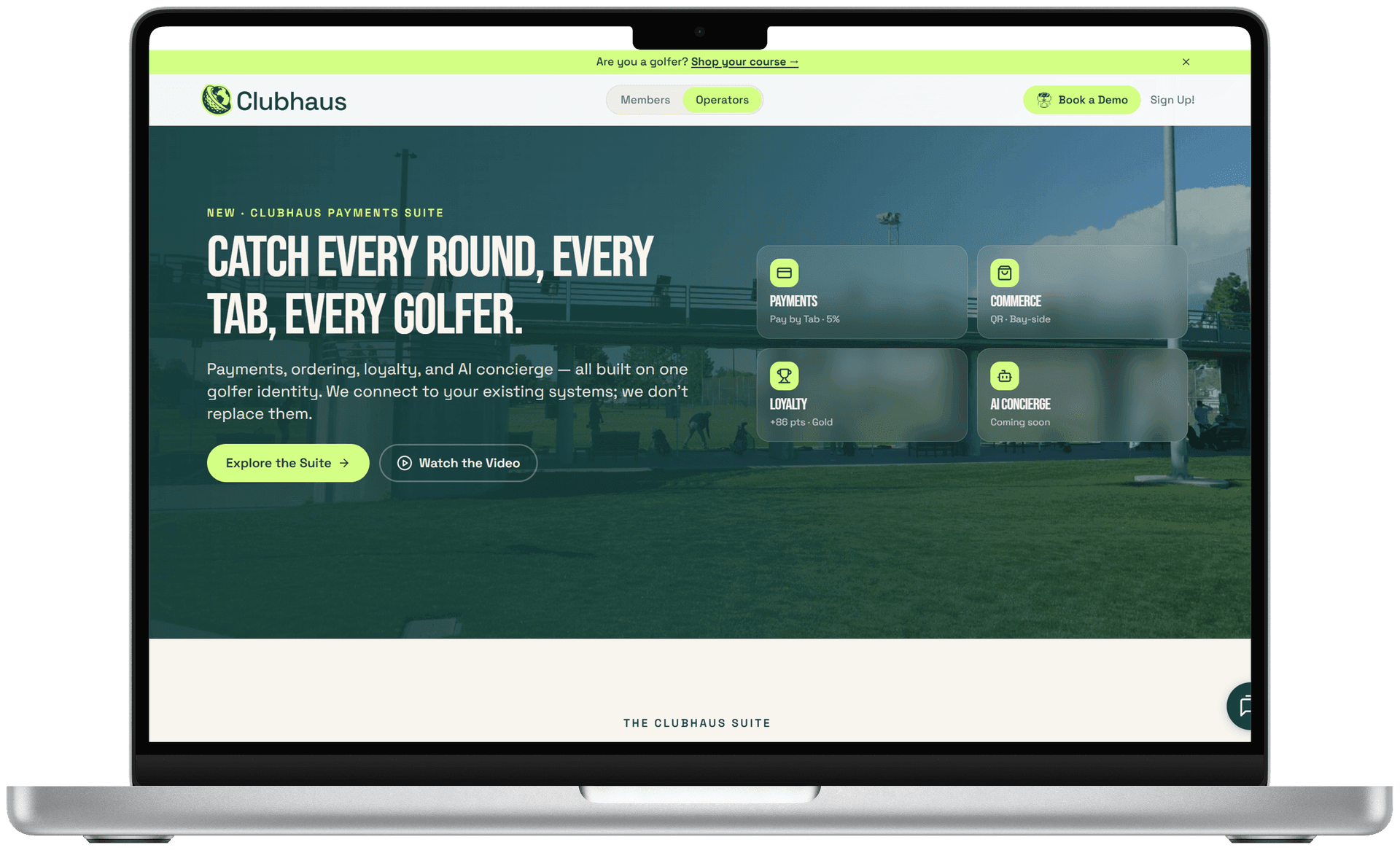
Clubhaus is a B2C golf commerce platform that provides operators with it helps courses increase revenue while giving golfers a seamless experience across courses through seamless on-course ordering, real-time payments.
The Ask
Clubhaus asked me to expand its app with tee time booking and live food tracking, integrating both into its existing system. The project served as a sandbox to explore new UI and system patterns while preserving Clubhaus's existing branding and color palette.

How might we turn Clubhaus into a seamless, end to end golf experience from tee time to delivery?
Researching Users
Golfers navigate fragmented booking methods and manual food ordering throughout their round. 83% expressed interest in a single platform that combines tee times and dining for a more seamless experience.
Competitive Analysis
Nearly half of golfers have to wait for a cart to pass by, making food ordering unpredictable and interrupting their round.
 Clubhaus
 ClubGrub
 Jonas Clubhouse
 GolfNow
 Noteefy
Golfers Juggle Multiple Services
Golfers navigate fragmented booking methods and manual food ordering throughout their round. 83% expressed interest in a single platform that combines tee times and dining for a more seamless experience.




Discovery #1
Users have an incomplete golfer journey
The Clubhaus experience is fragmented across the golfer journey. It supports ordering during Play, but leaves key moments like booking, arrival, and return disconnected.
Booking
Disconnected
Arrival
Disconnected
Play
Ordering Supported
Return
Disconnected
Discovery #2
Limited visibility after ordering
in Clubhaus
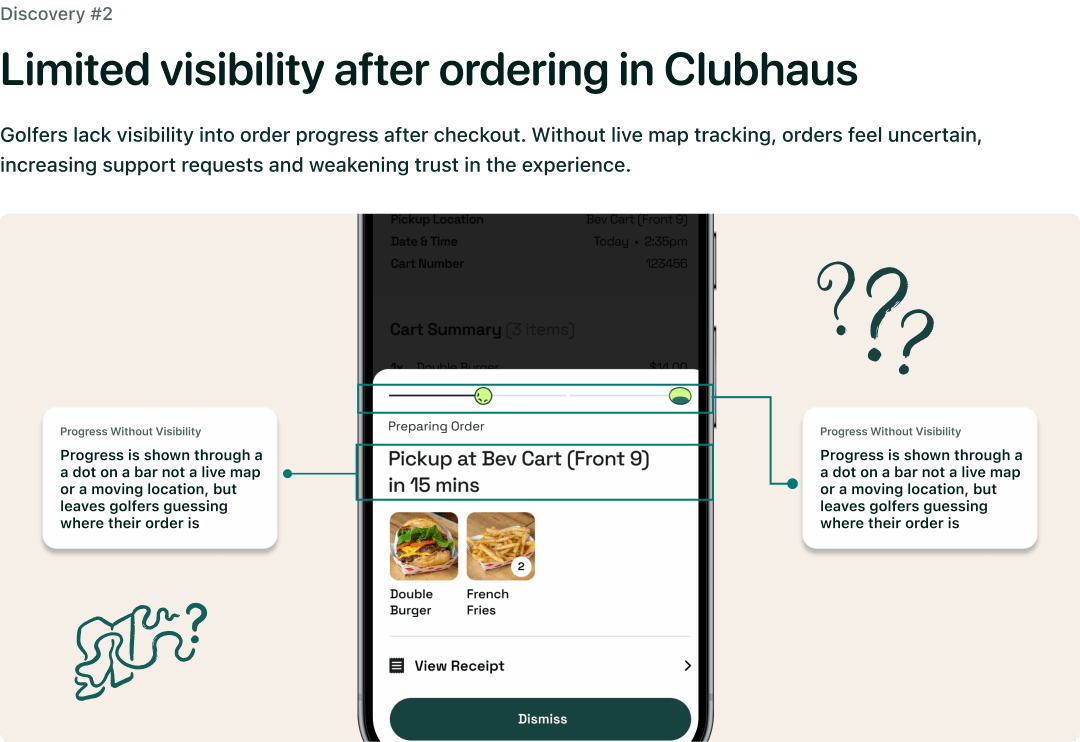
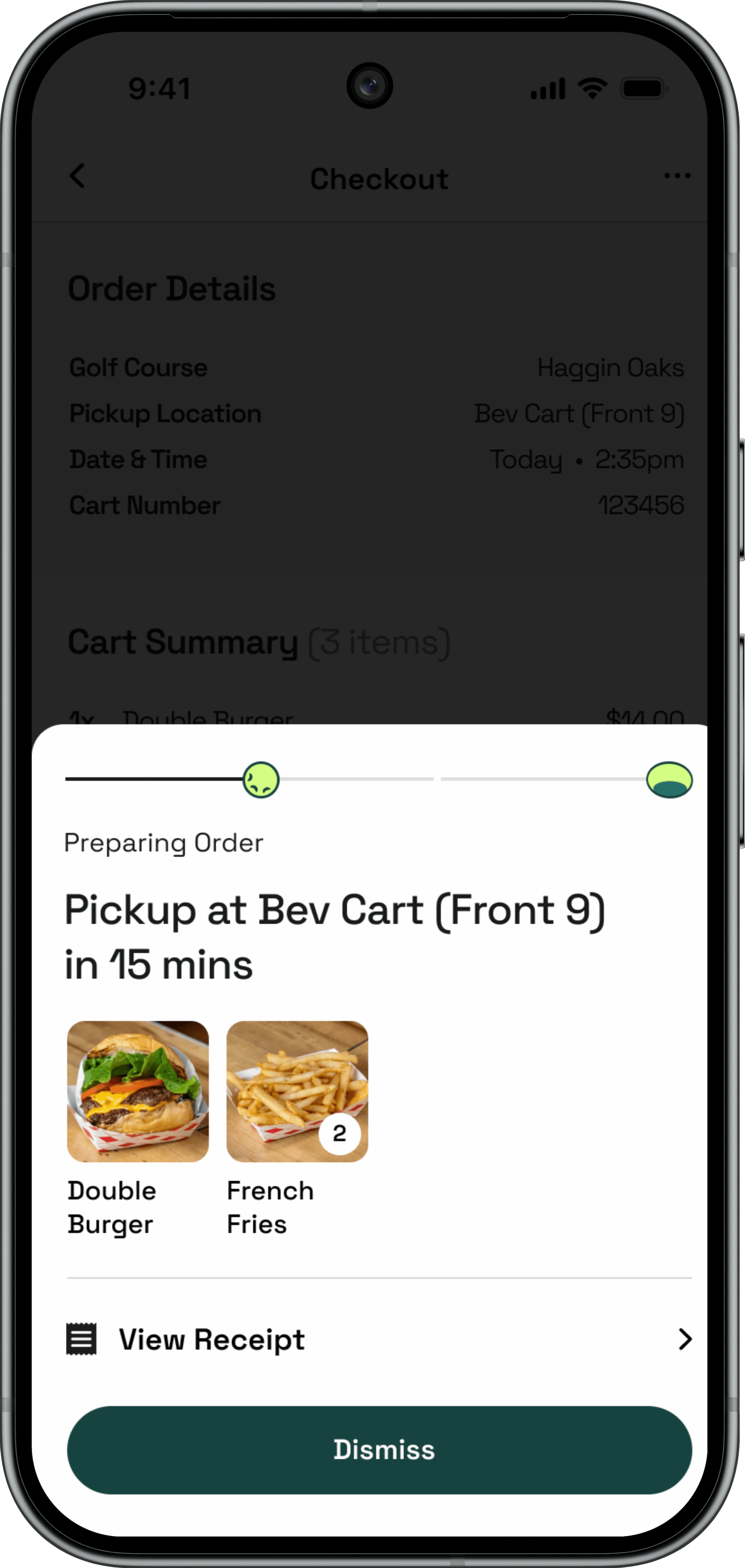
Golfers lack visibility into order progress after checkout. Without live map tracking, orders feel uncertain, increasing support requests and weakening trust in the experience.


Progress Without Visibility
Progress is shown through a dot on a bar not a live map or a moving location, but leaves golfers guessing where their order is
Progress Without Visibility
Progress is shown through a dot on a bar not a live map or a moving location, but leaves golfers guessing where their order is


Discovery #3
Strong interest in an
all-in-one golf app.
Competitors offer either tee time booking or delivery tracking, but not a connected experience. By integrating both, Clubhaus can create a seamless, context-aware journey that supports golfers throughout their round.
Discovery #4
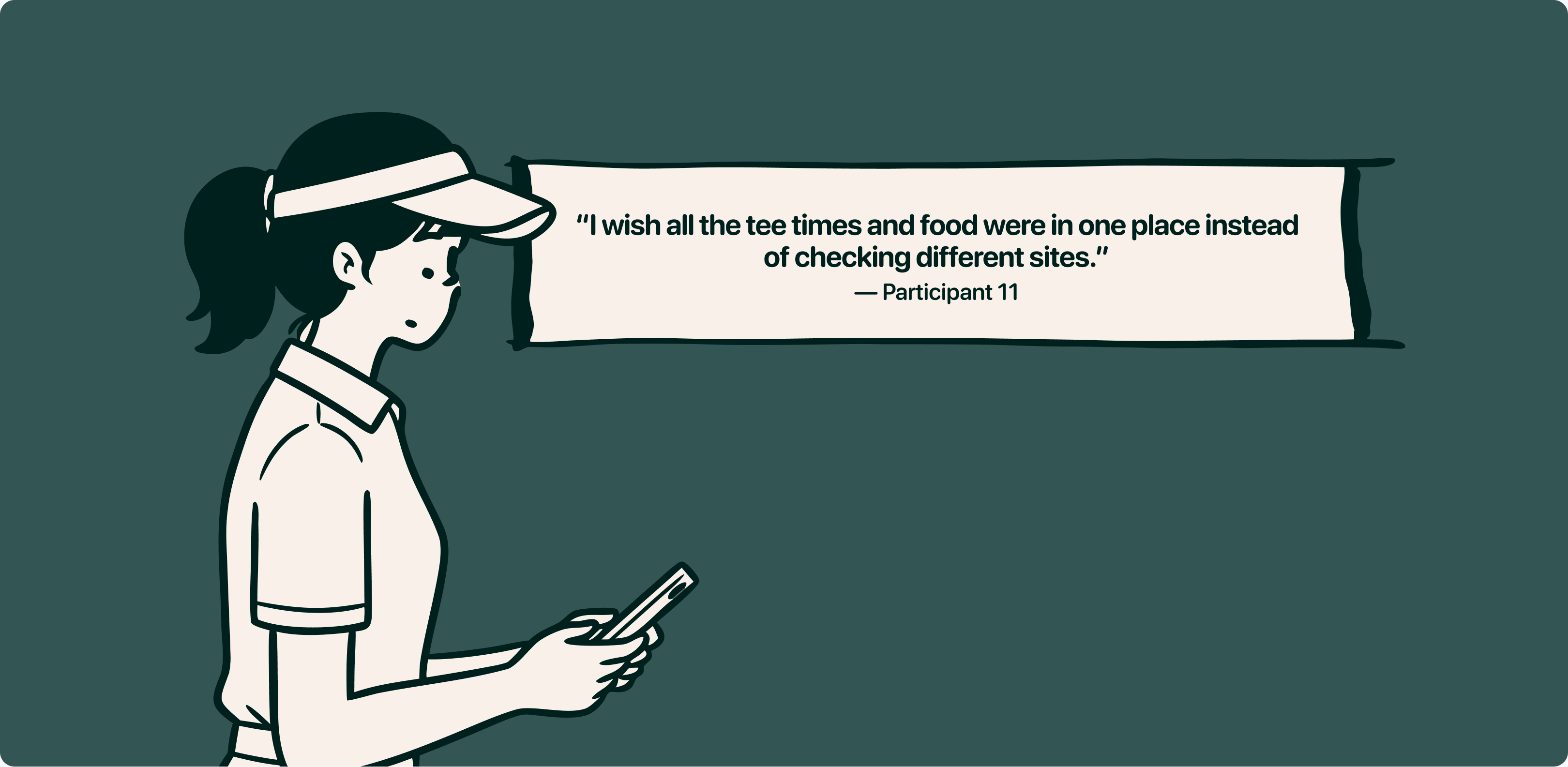
Golfers want convenience
and simplicity.Golfers want convenience and simplicity.
Competitors offer either tee time booking or delivery tracking, but not a connected experience. By integrating both, Clubhaus can create a seamless, context-aware journey that supports golfers throughout their round.
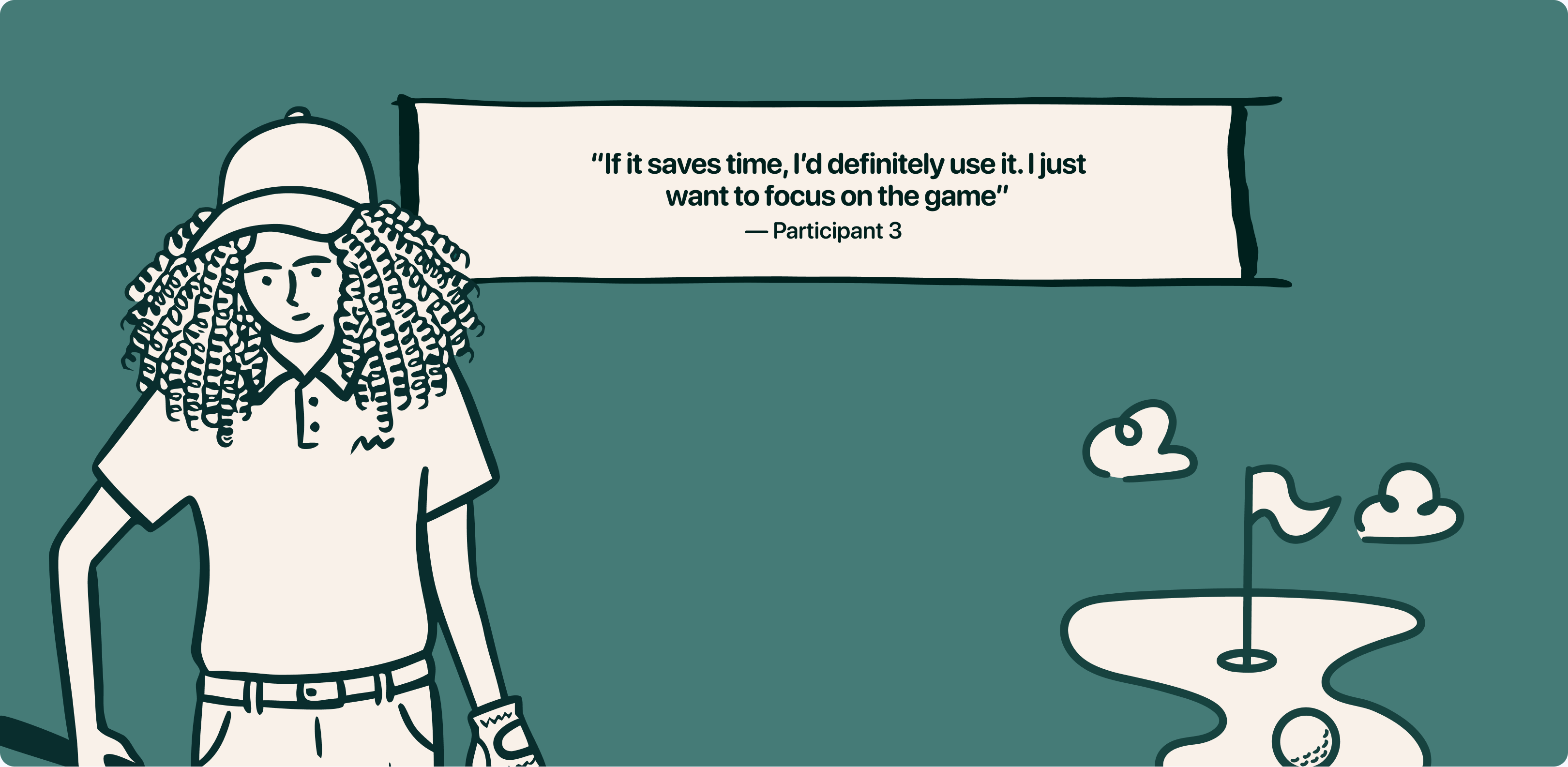
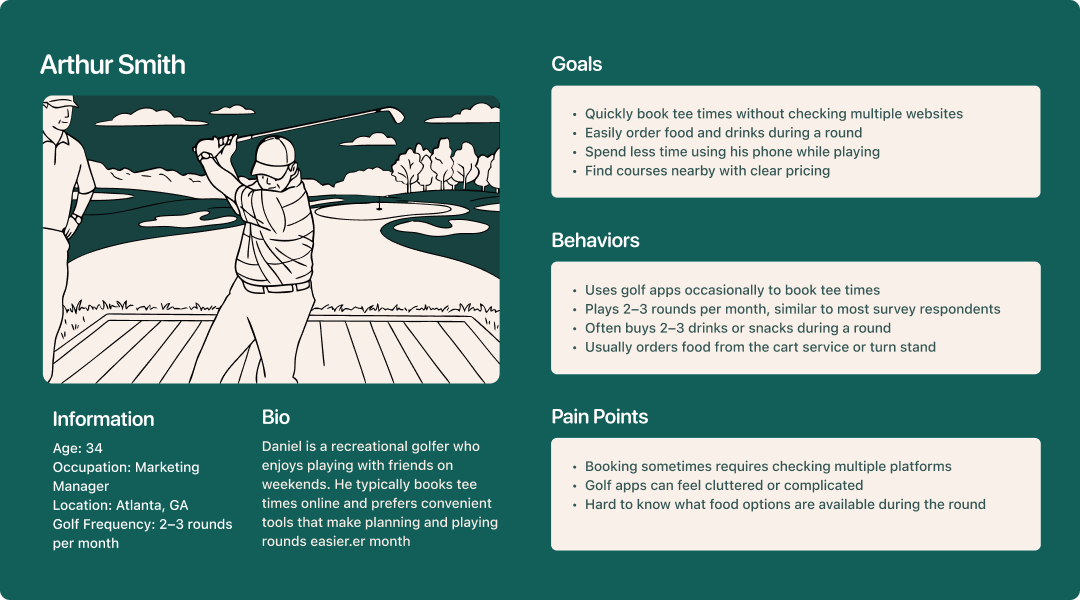
Mapping out our users and persona
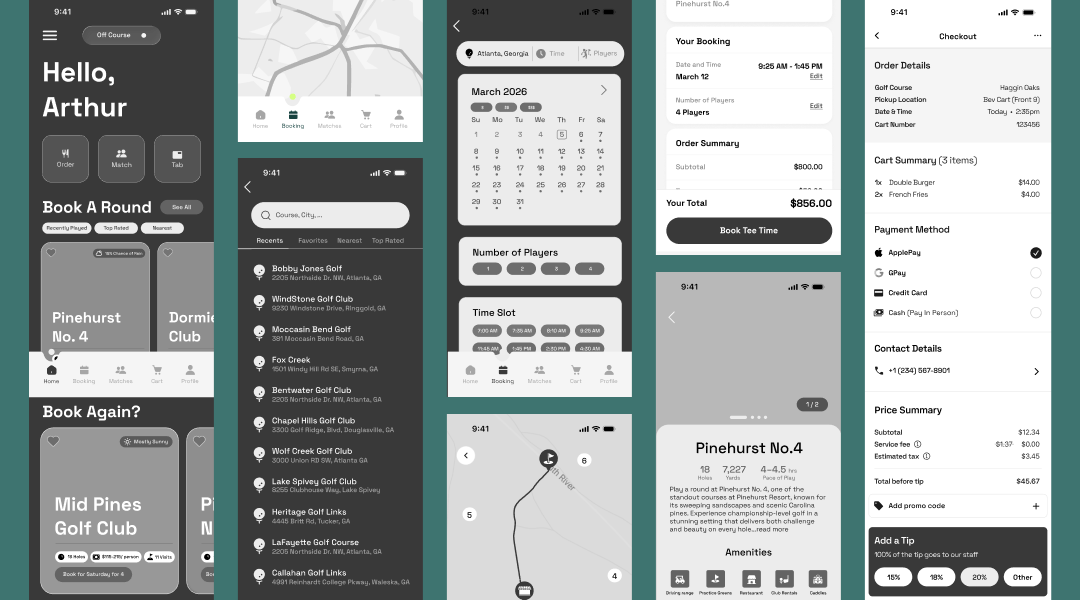
I turned research insights into early wireframes and concepts, exploring different ways to solve the experience. A/B testing helped refine those directions into designs grounded in real user behavior.

From Insight to the Course
I turned research insights into early wireframes and concepts, exploring different ways to solve the experience. A/B testing helped refine those directions into designs grounded in real user behavior.
Design That Works With Golfers
Every Clubhaus feature was intentionally shaped by human factors principles to reduce cognitive load and friction on the course. From recognition-based cart recovery and mistake-proof booking to live tracking, haptic alerts, and open tabs, each interaction keeps golfers focused on their game while making ordering and booking feel effortless.
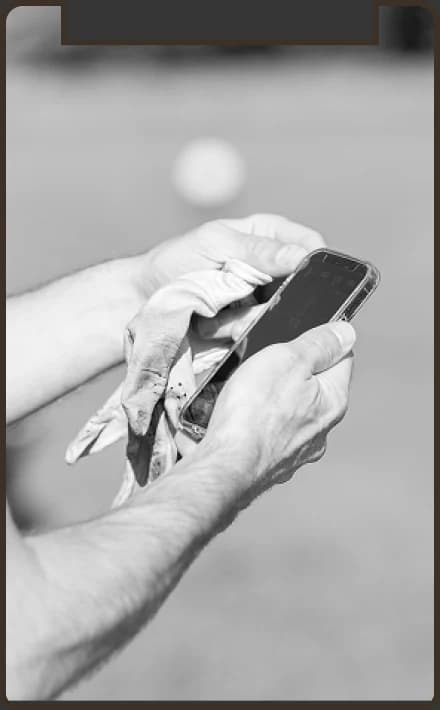

UX Principles

Recognition Over Recall



Used course imagery in the UI to help golfers recognize courses, making booking faster and reducing errors.


UX Principles
People are motivated by progress
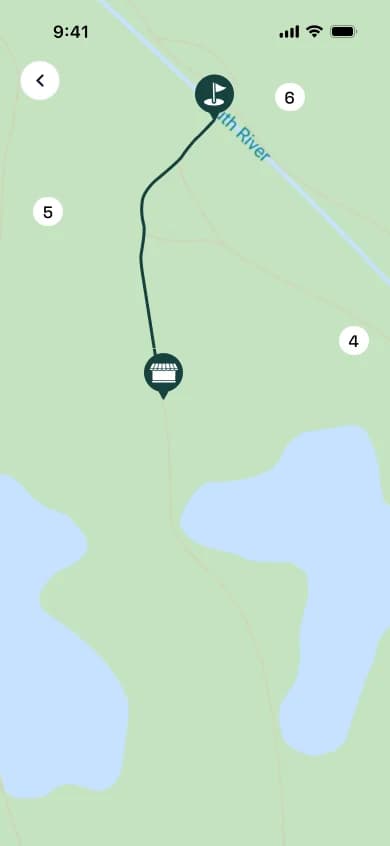
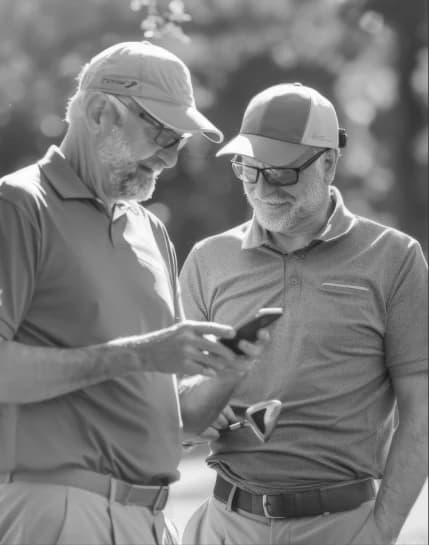
Visible progress through bars and order status reduces uncertainty and makes the wait feel shorter, creating an experience that builds trust and encourages repeat orders.
UX Principles
People are driven to create categories
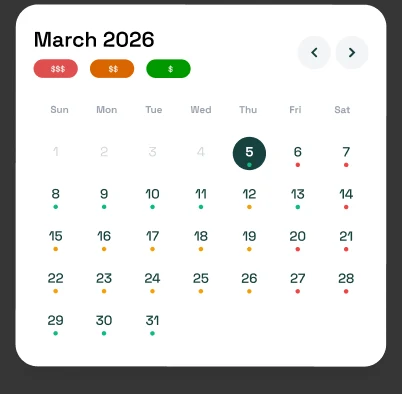
Color schemes for different categories help golfers visually recognize options, such as using red, orange, and green to indicate demand for tee times.

UX Principles
People are inherently lazy
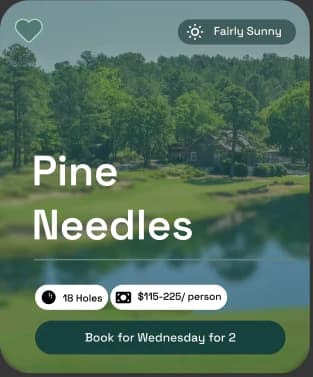
Surfacing past bookings helps golfers recognize familiar courses and tee times instead of searching from scratch, making repeat bookings more effortless.
Testing Our Prototype
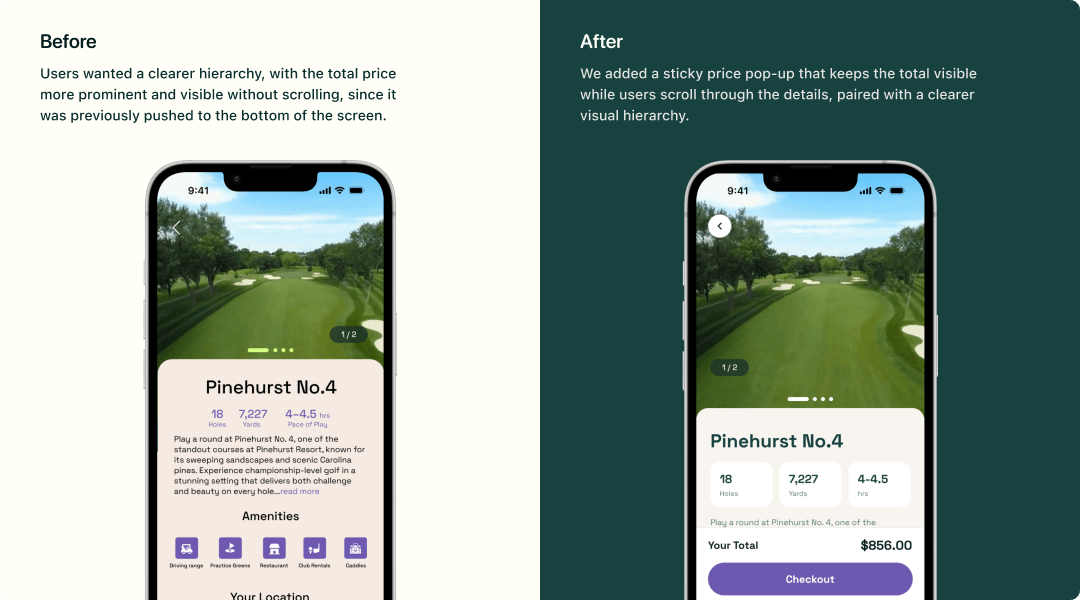
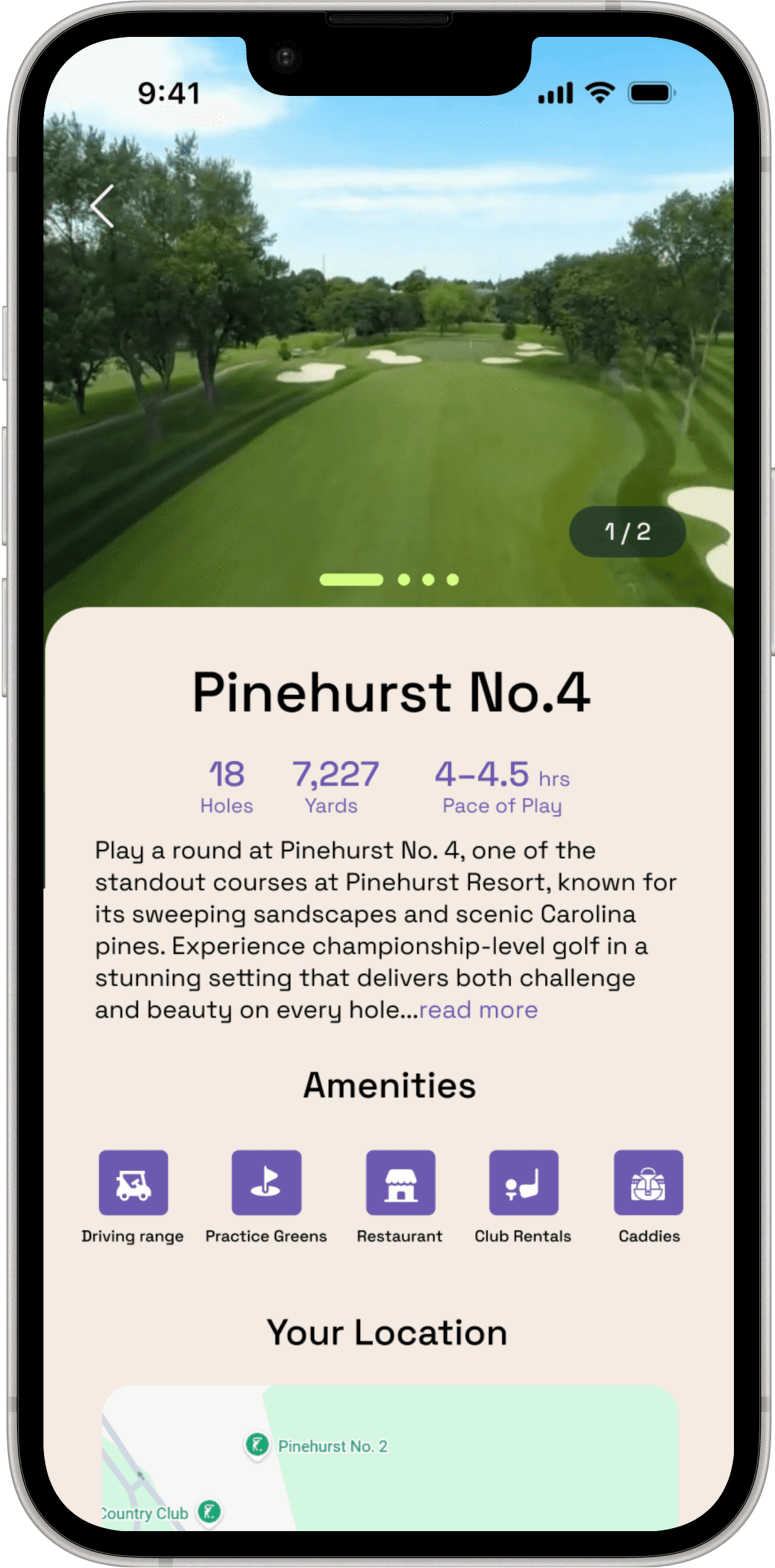
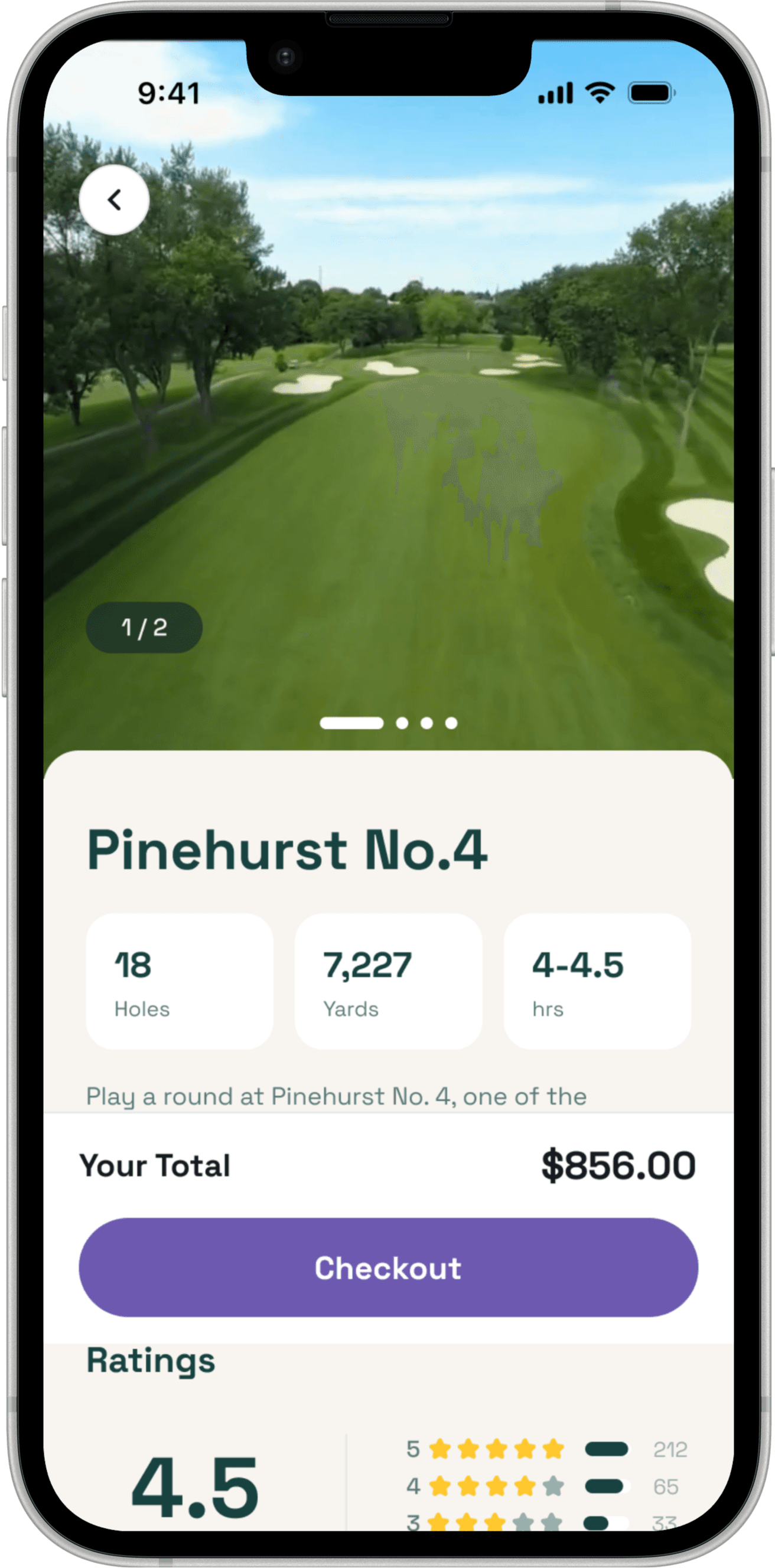
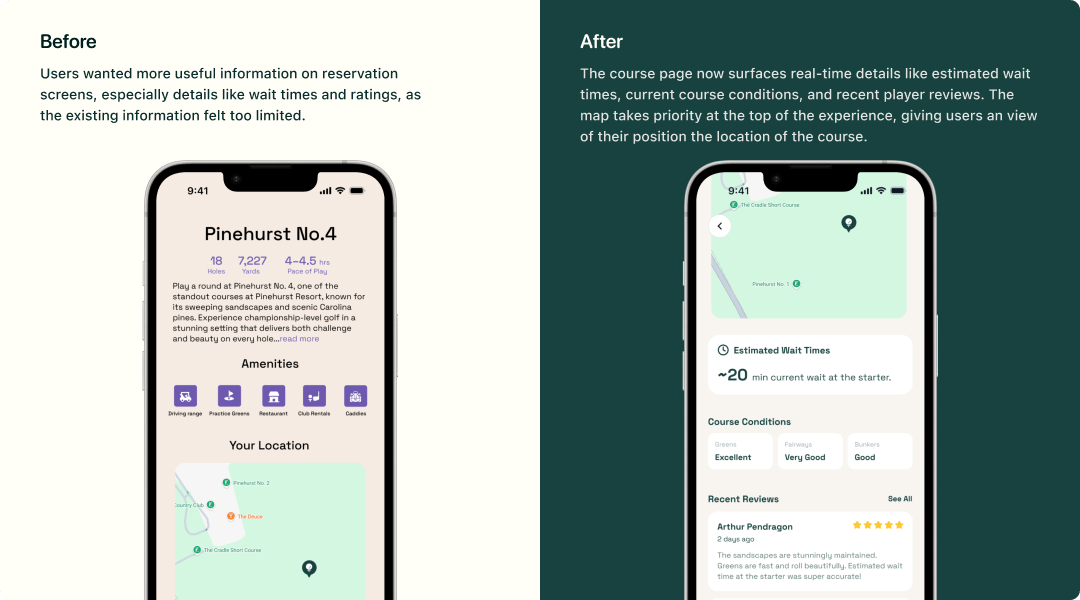
Testers completed core tasks: booking a tee time and tracking a food order. Findings led to clearer pricing, richer menu details, and more reservation context.
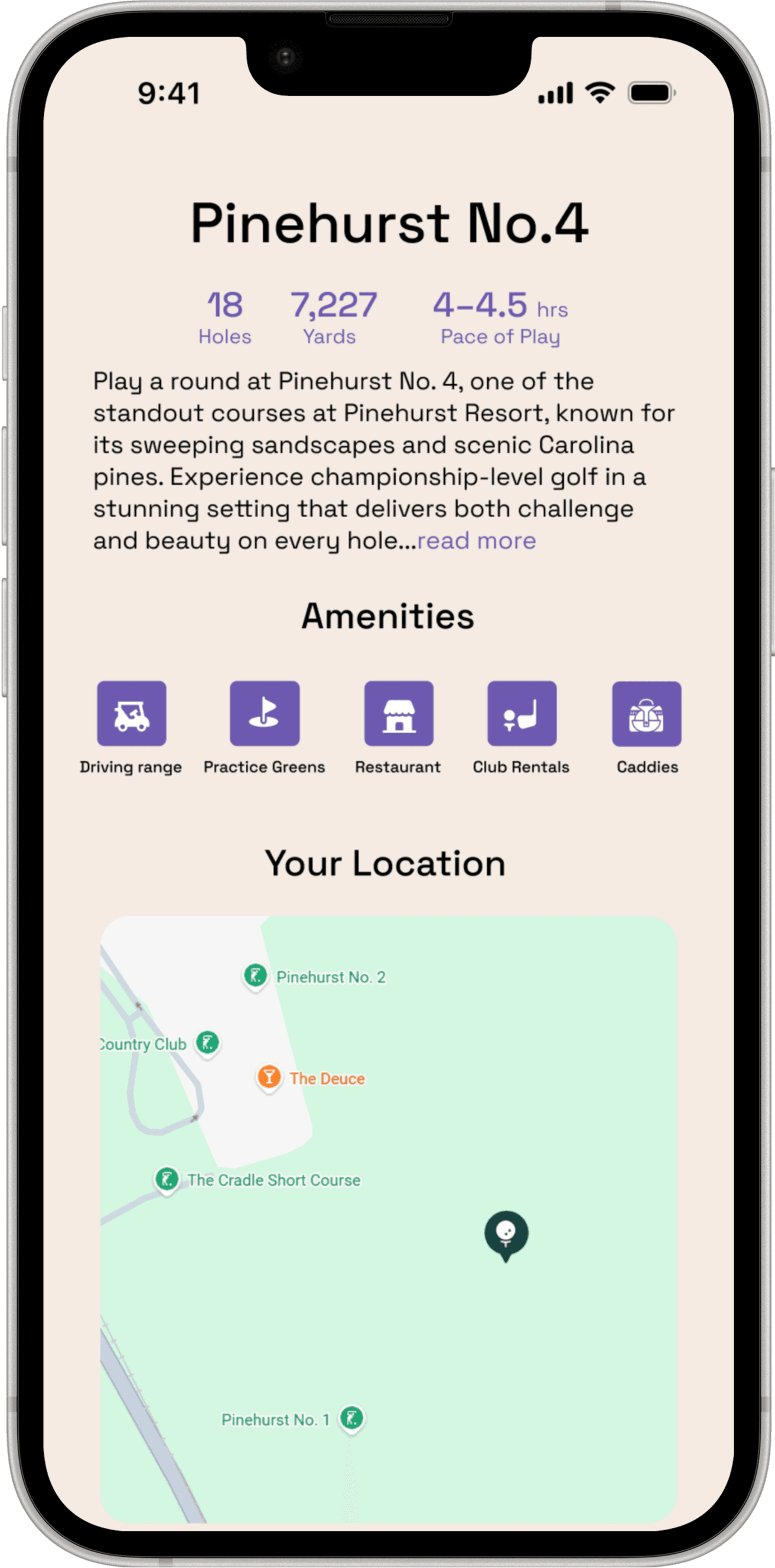
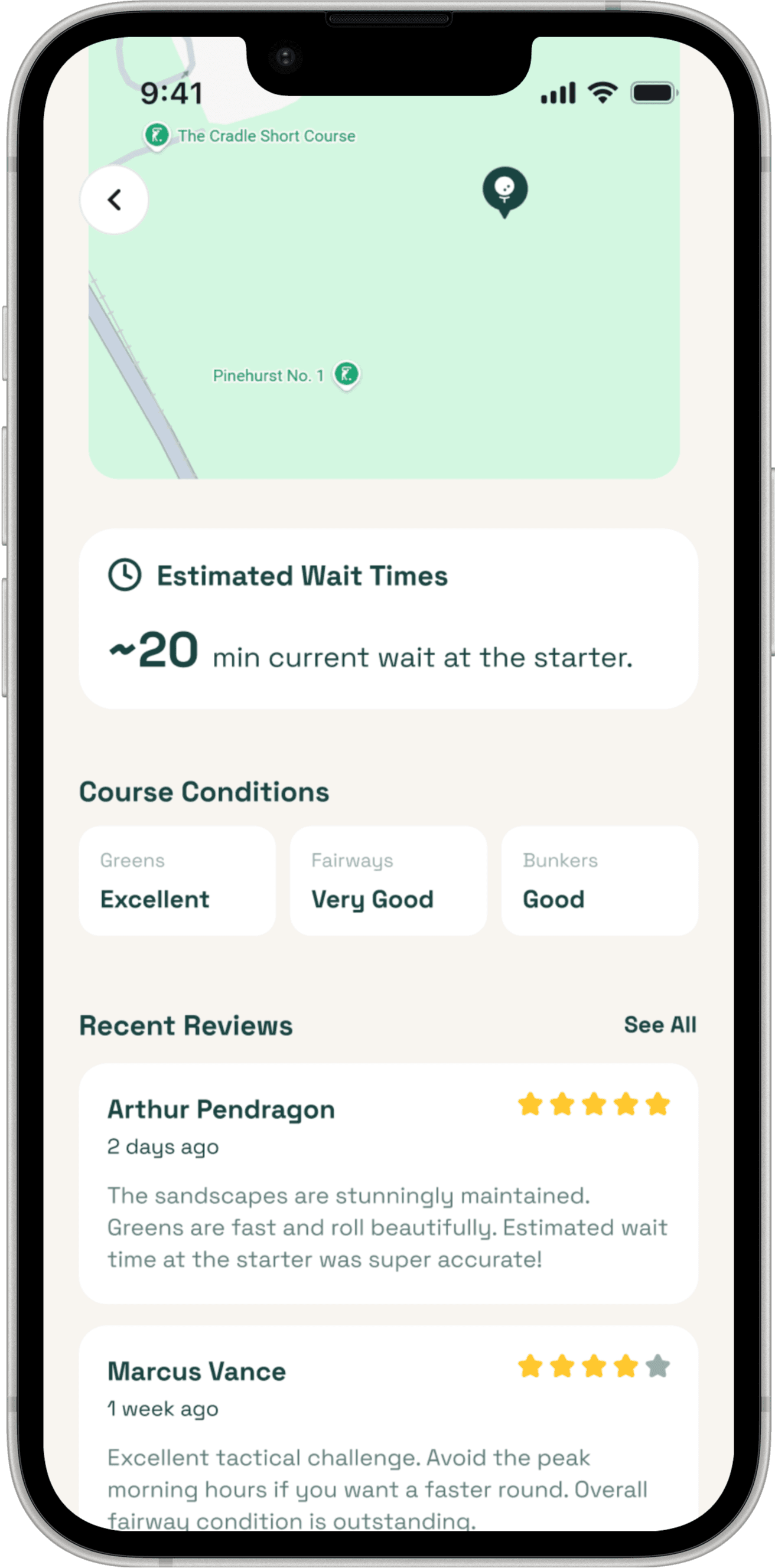
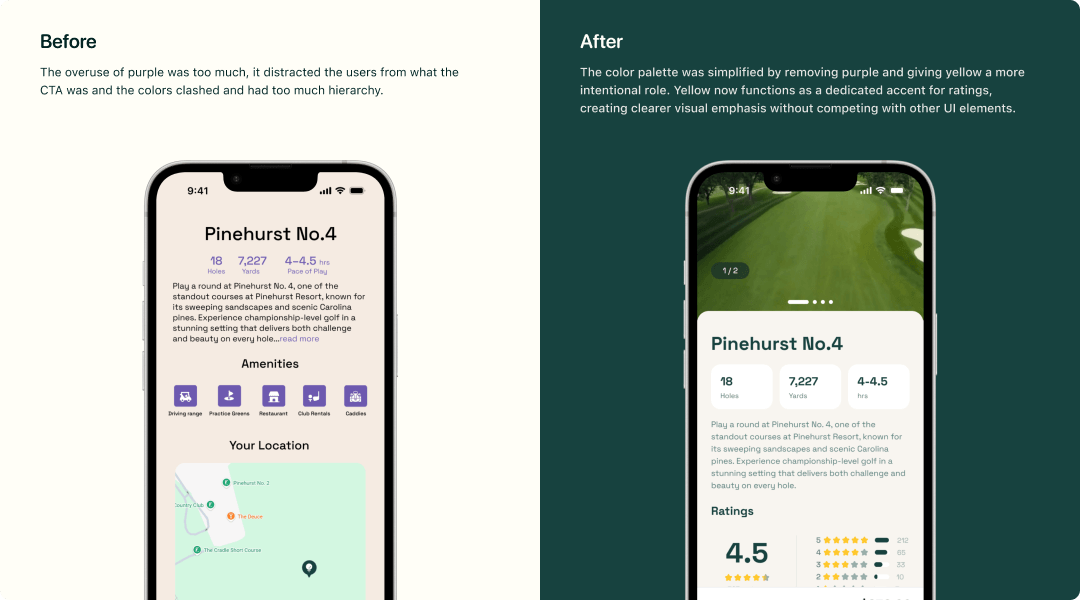
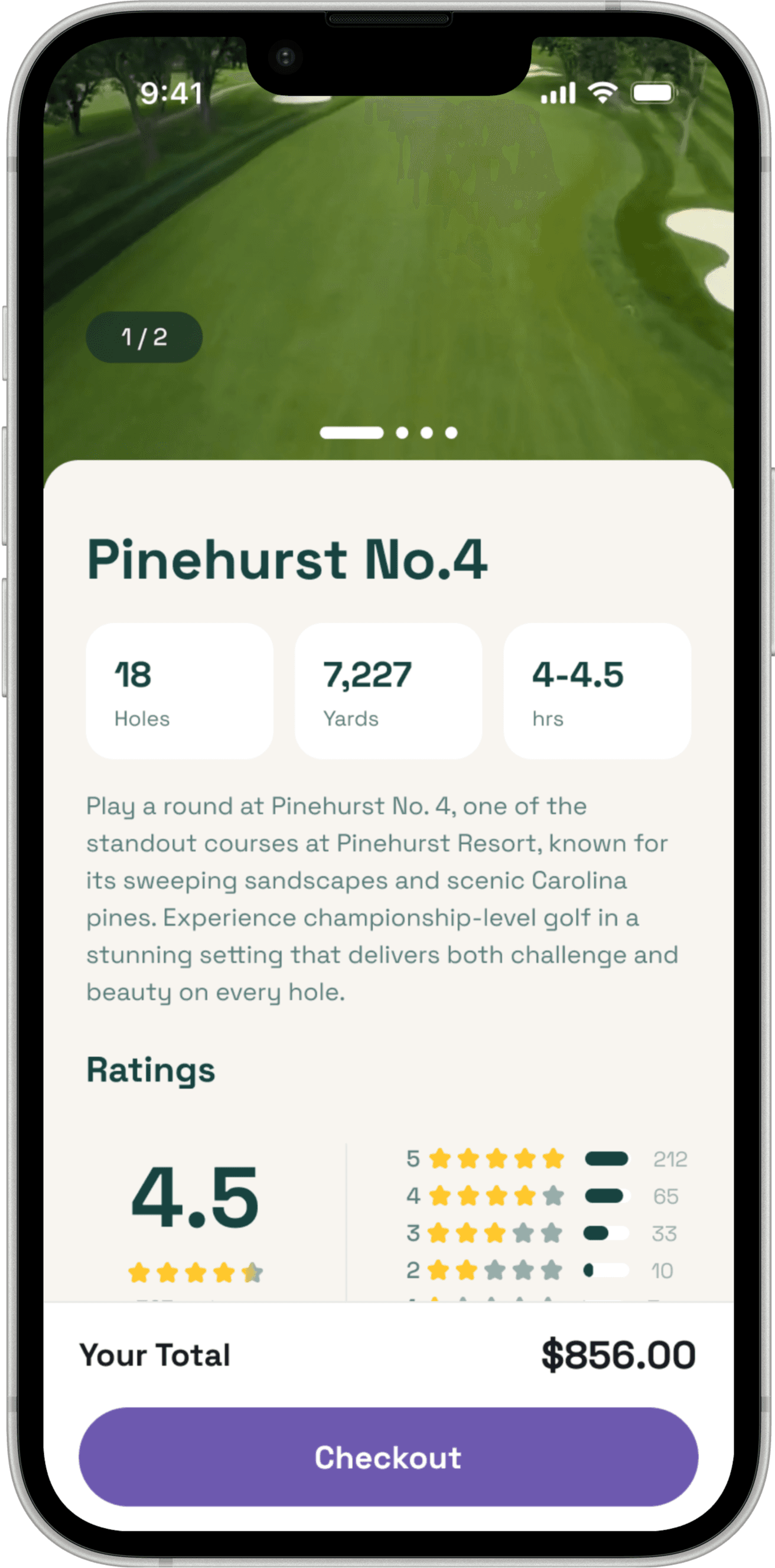
Tee Time Booking
Booking goes from
disconnected to effortless.
Golfers can discover, book, and confirm tee times in one place with visual course discovery, color-coded availability, transparent pricing, flexible booking preferences, and one-tap checkout.
Tee Time Booking
Your Next Round, Simplified
Clubhaus learns golfers' favorite courses, times, and group sizes, then turns them into one-tap “Book Again” options — eliminating repetitive steps and making repeat bookings effortless.
Delivery Tracking
Delivery goes from
invisible to trackable.Delivery goes from invisible to trackable.
Golfers can track orders in real time with a live map, dynamic ETA, and delivery status timeline. Driver details, call/message options, and push notifications keep golfers informed without needing to check the app.
Key Learning #1
Principles are IMPORTANT
Knowing the Human Factors principles taught us to design around real user behavior, not assumptions. It helped me understand how users think, which we verified with user testing.
Key Learning #2
Think Beyond The Product
With so many potential features on the roadmap, we realized that trying to solve everything at once can reduce the impact of the solution. Focusing on problems gave us the space to understand their causes and design more meaningful solutions.